REST APIs and webhooks
Create endpoint integrations that exchange data in predictable formats with appropriate authorization.
Connect CRMs, forms, payment gateways and third-party tools with secure API workflows.

For teams that need their website, CRM, forms, booking platform, payments and internal tools to exchange information without repetitive manual entry.
A useful integration replaces copying and pasting with a traceable flow of information. I map the source system, expected events, destinations and failure cases before choosing a plugin, webhook, API or custom PHP handler.
Focused implementation services, with the right depth for your project.
Create endpoint integrations that exchange data in predictable formats with appropriate authorization.
Connect lead forms, customer records and email or marketing services where their APIs permit it.
Integrate payment or transactional events while keeping sensitive credentials out of frontend code.
Add retry handling and practical error logs so broken external connections can be investigated.
When a lead arrives, a booking changes or an order is placed, the next step often needs to happen in another service. A good integration connects those steps while preserving accurate information. I work with APIs, webhooks and custom PHP middleware to help systems exchange the right data at the right point in a workflow.
The first task is to understand what triggers an integration, which fields are required and which system owns the original data. I document the expected input, output and edge cases: missing contact details, duplicate events, expired credentials and unexpected response formats. This avoids integrations that appear successful during a demo but quietly lose data in real use.

Keys and access tokens should remain server-side, out of public JavaScript and out of source repositories. Where supported, webhook signatures are verified and permissions are limited to the required scope. For asynchronous transfers, idempotency checks, retry policies and request logging help reduce duplicate updates and explain failures. Exact safeguards depend on the provider and available endpoints.
Some integrations are best implemented directly in PHP or a WordPress plugin. Others may be easier to maintain with a workflow platform such as n8n, especially when several supported connectors are involved. I select the approach based on complexity, cost, ownership, error handling and the skills of the team that will maintain it.

A successful HTTP response does not automatically mean the business process is correct. I test expected and unexpected payloads, reconnect flows and the final visible result in the destination system. Documentation includes configuration steps, any sensitive credentials that you must supply securely, and where to check failures after launch.
Integrations connect services owned by different providers, so it is important to know who maintains credentials and who responds when a provider changes behavior. I document the connection points, expected payloads and error recovery approach. Where practical, I provide test procedures so the next developer or administrator can verify an integration without manually reconstructing the original setup.
Practical milestones and communication at each stage.
Understand the audience, existing setup and most important requirements.
Agree on implementation scope, content, dependencies and acceptance criteria.
Develop, integrate and review the real workflows with the client.
Test key flows, document what matters and clarify next steps.
Explore websites and applications connected to this type of work. Each project page describes its recorded involvement.

A German solar website integration project involving an embedded calculator and cookie-consent behavior.
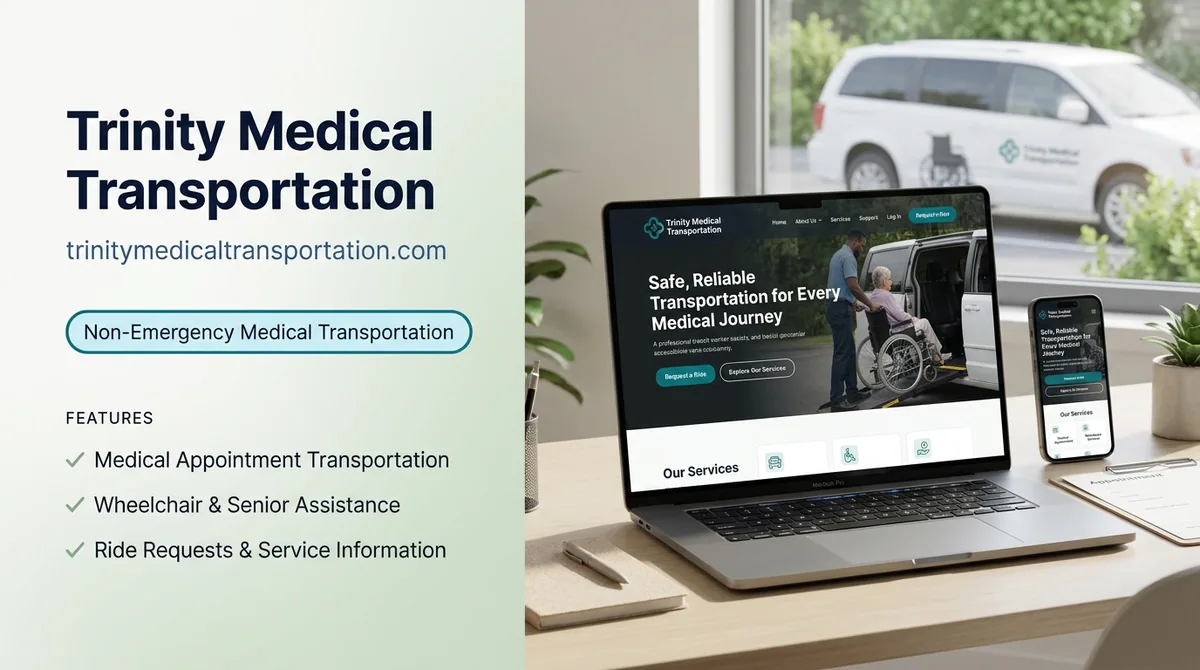
A medical transportation website where the recorded task was WordPress contact-form integration.

A business website where the contribution included custom HTML, CSS and JavaScript enhancements and industry pages.
Clear answers before you begin.
Often yes, if the CRM exposes a supported API or webhook endpoint. The field mapping, consent requirements and authentication method need to be confirmed first.
Providers can change APIs or permissions. Clear versioning, monitoring and documentation make ongoing maintenance easier, but no integration can be guaranteed to run unchanged forever.
Typically no. Where supported, I use scoped API keys, OAuth or test accounts supplied through secure channels. Avoid sharing passwords in public messages or project documentation.
Tell me what you want to achieve, and I’ll help define a realistic development scope.